
Editorial: Why Photographs Still Win in the Age of Video
Normally these monthly roundups feature my five favorite shoots from that month, however I'm taking a break from shooting to recover from surgery for about 2 months, so I figured this time would be the perfect excuse to dig back through the archives from this year, and finally share some assignments that deserved a post at the time but never got one. And also maybe injecting an editorial opinion or two since I’m more or less stuck in bed for the time being. All that being said…here is the second “article” that I have ever written for this blog that isn’t about my recent shoots :)
We have spent the last decade becoming absolutely obsessed with making everything move: turning every meal, birthday party, vacation, product, wedding, announcement, and mildly interesting interaction (and even insanely boring ones) into a tiny television program that has to be watched on a phone. It needs audio now, needs to be edited together and uploaded somewhere and fed into an algorithm before anyone is apparently allowed to look at it. But a photograph has one enormous advantage over video: it just works, everywhere.

Real photographs I took for a client, framed in their home. No apps required.
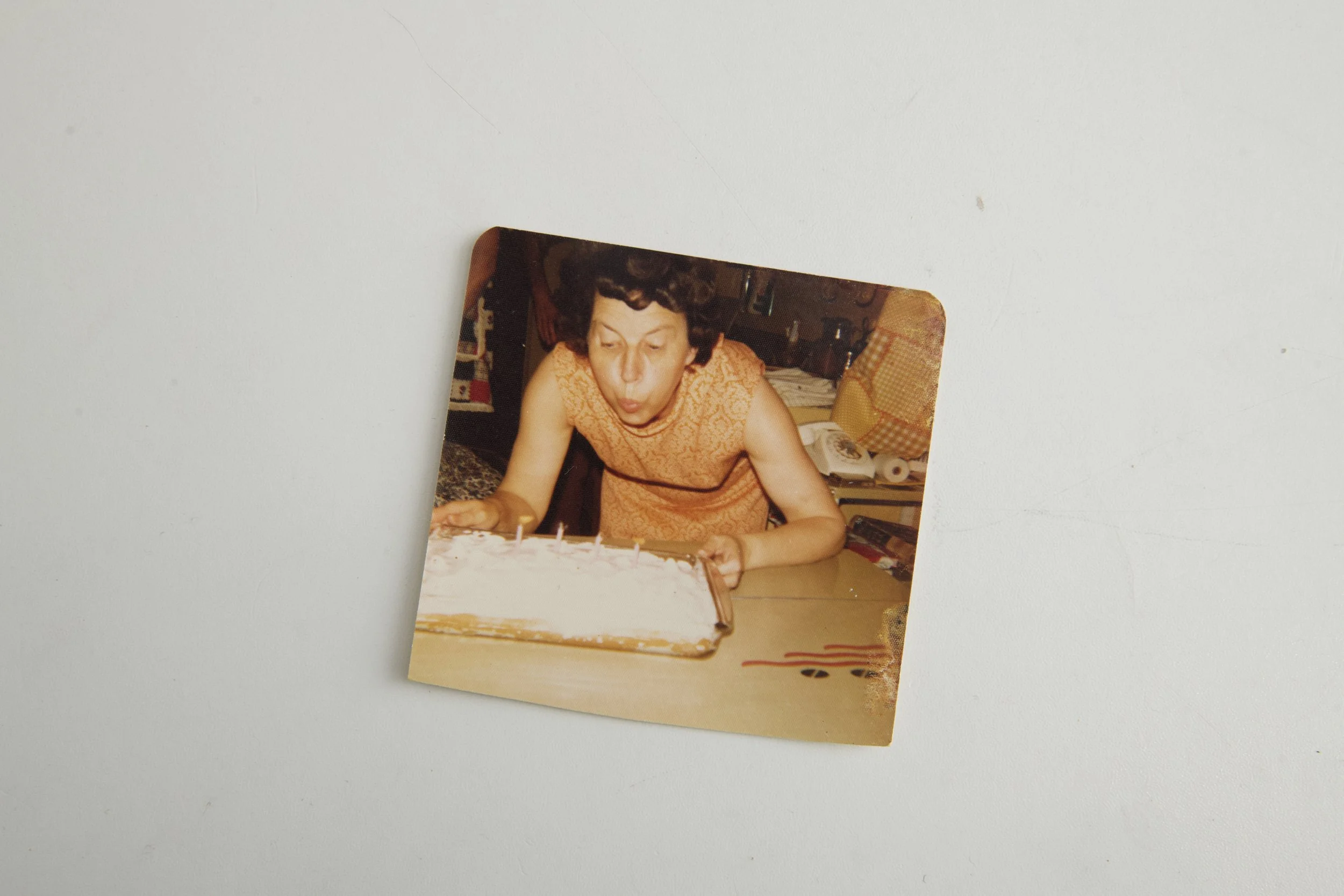
Grandma in 1974. If this were a video, it would be largely inaccessible now.
[A Photograph Doesn't Need Much]
A photograph has an almost absurd degree of technological independence. A piece of paper with an image printed on it doesn't care what operating system you use, whether the photographer's website still exists, whether the company that made the camera is still in business, whether you have an account, whether you're connected to Wi-Fi, or whether some app developer decided to abandon their software. If you can see, you can see the photograph.
Video is a chain of dependencies. The file format has to still be supported, the storage medium has to work, the device has to read it, the operating system has be updated to recognize it, the codec has to exist, the app has to exist, you have to have an account to sign into the app, the server has to exist, The link has to work. And most of the time, you need the correct version of the app on the correct operating system while being logged into the correct account and connected to the internet.
A photograph requires none of this. You can put a photograph on a wall, in a book, on a menu, on a billboard, on a t-shirt, in a magazine, on a package, on a poster in the subway, or on your grandmother's refrigerator, and it will continue doing its job without asking anybody to do anything. It requires no external electronic device to access it.
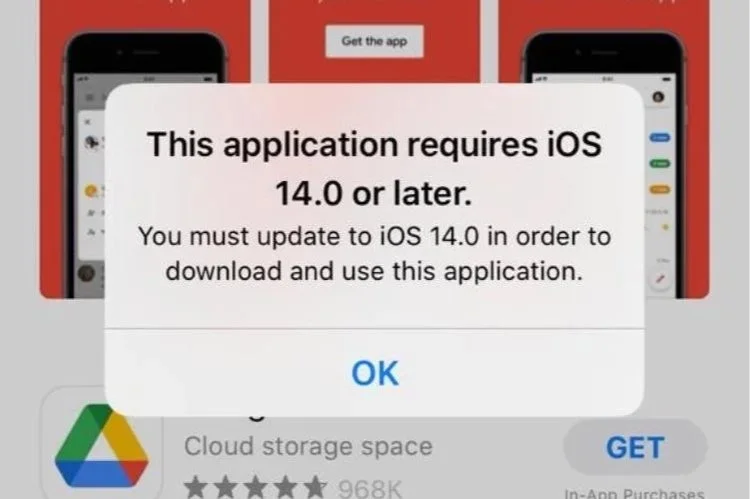
Many such cases.

All walled gardens now.
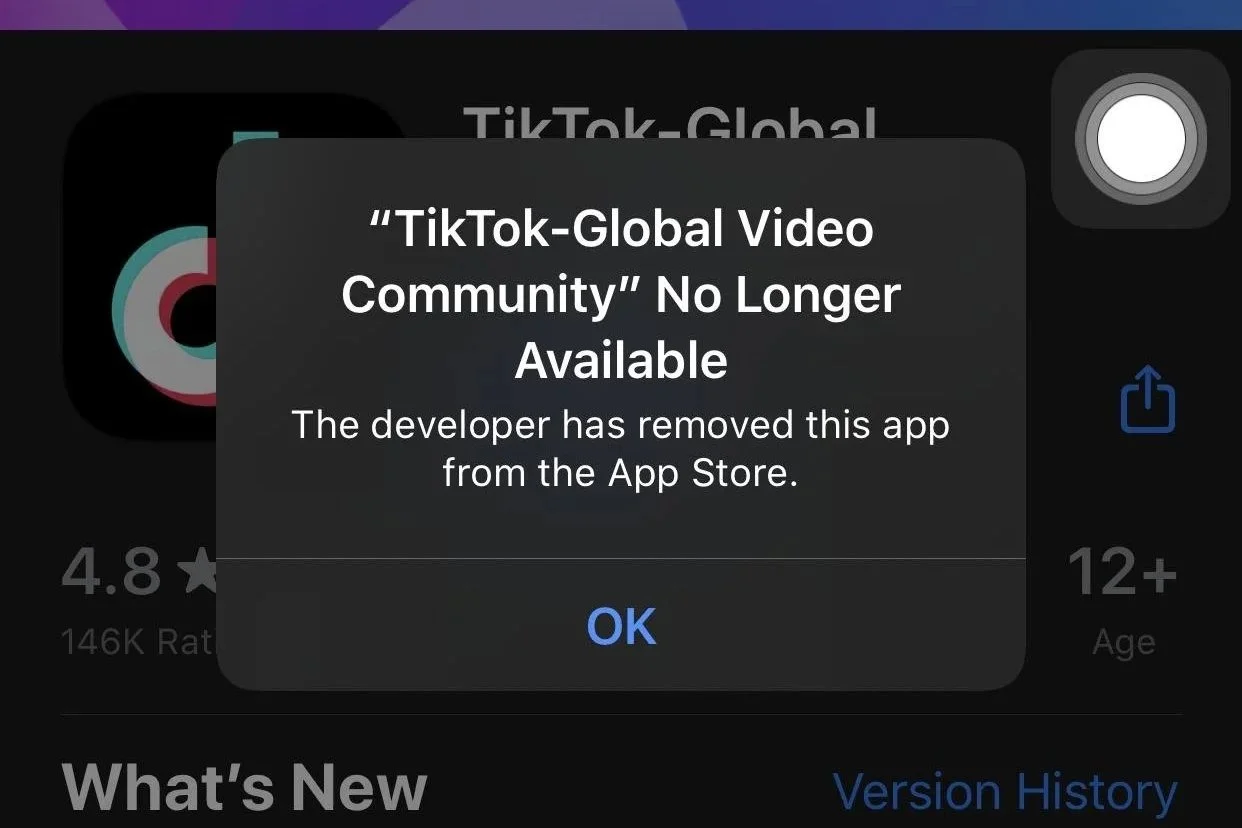
¯\_(ツ)_/¯
[More Information Doesn't Always Mean Better Information]
I also think we're a little too obsessed with the idea that “more information” automatically makes something better. You don't need twelve minutes of footage from someone's birthday party. You don't need to watch the cake being carried into the room, the candles being lit, everybody singing, the birthday kid blowing them out, and the entire family applauding in real time. You want the photograph where your grandmother is laughing, or your friend is making a ridiculous face, or a baby is crying because they dropped their cupcake…because somebody looked at all of that chaos and decided that this was the moment worth keeping. That's what a good photograph does. It takes an enormous, messy, constantly moving experience and boils it down to one instant that somehow contains the rest of it. The photograph doesn't give you less; it gives you the part you actually want to remember, in a form you'll still be able to access no matter what the technology is doing at any given time.
The internet has made video incredibly easy to make, which is perhaps part of the problem. We are now surrounded by an endless stream of things that expect to be watched, listened to, clicked, scrolled past, shared, commented on, and immediately replaced by the next thing. I don't think the answer is to make everything more watchable, I think we need to be making things that are actually worth looking at. And I’m sorry, but a 2 minute long video of your dog sleeping is NOT something that I need to be paying attention to. A simple photograph will ALWAYS suffice ;)
A photograph can become part of the physical world in a way video cannot: it doesn't become obsolete because somebody's phone battery died or an app disappeared or because your video drivers are out of date.

A displayed photo is always working (and yep, those are mine!)
[Photographs Are Easier to Create and Keep]
And there is another advantage to actually having a photograph in the physical world: somebody has to know where it is in order to lose it. We are increasingly terrible at managing our digital photographs. They're scattered across phones, hard drives, cloud accounts, old computers, messaging apps, social media accounts, and whatever photo-storage service seemed like a good idea five years ago. And this is not going to change.
A printed photograph sitting on a desk or hanging on a wall is, by comparison, remarkably easy to find. Anyone who walks into the room can see it. Nobody needs the right password, the right app, the right device, or access to somebody else's cloud account. It is just there. It can be passed from one person to another, found in a drawer twenty years later, inherited by somebody who wasn't even alive when it was taken, and still be completely understandable without any technology whatsoever. Video borrows your attention and then disappears back into the ether; photography can occupy your space indefinitely. In a world increasingly determined to turn every possible human experience into ‘content’, I think there is something genuinely useful about making an image that doesn't need to move, doesn't need to talk, and doesn't need to ask you for anything at all.
[So, Why Are We Filming Everything?]
Mostly because people feel like they are being “forced to, because the algorithm” (ie: every photo platform has “pivoted” to video, and I guess people like…getting clout…from bots?). At the end of the day: your photograph is still a photograph; but your video depends on an entire chain of hardware, software, accounts, codecs, operating systems, platforms, and corporations continuing to give a shit about it. And considering how quickly apps disappear, file formats become obsolete, websites shut down, passwords get forgotten, hard drives die, and entire companies decide that the thing you spent years storing on their servers is no longer their problem, I'm not particularly interested in betting my memories on all of that continuing to work forever (or even for the next 2 years). A photograph doesn't need any of it. You can pick it up and look at it, and I think that's a pretty damn good archival system.
Jinnifer Douglass is a full-time freelance photographer based in NYC, shooting for both individuals and brands such as Google, Sotheby’s, Uber, Make Up For Ever, Squarespace, and more! Specializing in portraits, food, and special events, she works to make every piece of your social and website content ‘Insta-worthy’ with high resolution, full-frame DSLR photography and expert Lightroom editing. Interested in chatting? Leave a comment below, or send an email to info@jinyc-photo.com!